

Semax nasal drops 0.1% 3 ml

Sialis 5 mg 14 tablets

Tamiflu 75 mg 10 capsules

Actovegin 200 mg 50 tablets


Hypoxen 250 mg 30 capsules


Ingavirin 90 mg 10 capsues


Ovestin 2 mg 30 tablets

Ovestin Vaginal cream 15g


Macmiror 200 mg 20 tablets


Ventolin nebula 20 ampoules

- Antibacterial medication
- Antifungal medication
- Antiviral Medication
- Cardiovascular medication
- different medication
- Hormonal medication
- Immunosuppressants and immunomodulating medications
- Nervous system
- Pain relievers and anti-inflammatory
- Respiratory system
- Treatment of diseases of the liver and gastrointestinal tract
- Treatment of sensory organs, eyesight and hearing
- Urogenital system


De-Nol 120mg 112 tablets

De-Nol 120mg 56 tablets

De-Nol 120mg 32 tablets

finasteride 5mg 30 tablets

Itrazole 100 mg 42 capsules

furasol 15 sachets of 100 mg

Triacort OINTMENT 0.1% 10G


Urseptia 200 mg 20 capsules


Minolexin 100 mg 20 capsules

Minolexin 50 mg 20 capsules


Immard 200 mg 30 tablets

Adenuric 120 mg 28 tablets


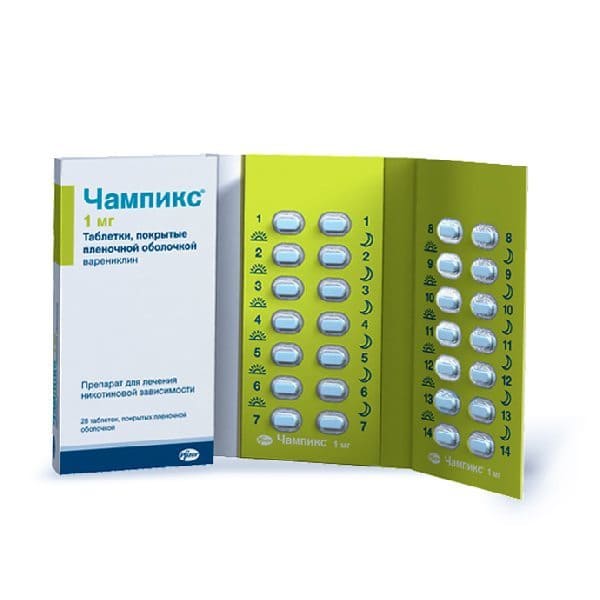
Champix 1 mg 112 tablets



Midantan 100 mg 100 tablets

Mirapex 0.375 mg 10 tablets

Ginos 40 mg 30 tablets

Vinpotropil 60 capsules

Cerebrolysin 2 ml 10 vials

Tidomet forte 100 tablets

Lamolep 25 mg 30 tablets

Novo-passit 10 tablets

Cinnarizine 25 mg 50 tablets

Vasobral 30 tablets

Axamon 20 mg 50 tablets

Сonvalis 300 mg 50 capsules

Vestibo 24 mg 30 tablets

Trileptal 150 mg 50 tablets

Convulex 500 mg 50 tablets

Mexicor 100 mg 20 capsules

tagista 16 mg 30 tablets

Dobrokam 250 mg 30 tablets


Mirapex 1 mg 30 tablets


Baclosan 10 mg 50 tablets

Neurontin 300 mg 50 capsules

Ceraxon 500 mg/4 ml 5 vials

Mexidol 125 mg 50 tablets
Amaryl 3 mg 30 tablets

Manufacturer: aventis
Country of origin: Italy
General description: The oral hypoglycemic medication

Dosage form
Pills
Composition
glimepiride 3 mg
Excipients: lactose monohydrate, carboximetilkrahmal sodium (type A), povidone 25 000, microcrystalline cellulose, magnesium stearate, colorant iron oxide yellow (E172).
Pharmacological action
Oral hypoglycemic drugs - derived sulfonylureas of the III generation.
Glimepiride reduces the concentration of glucose in the blood, mainly by stimulating insulin release from the beta cells of the pancreas. Its effect is primarily associated with the improved ability of the beta cells of the pancreas to respond to physiological stimulation of glucose. Compared with glibenclamide, glimepiride in low doses causes the release of a smaller quantity of insulin while achieving approximately the same reduction in the concentration of glucose in the blood. This fact testifies in favor of the presence of glimepiride extrapancreatic hypoglycemic effects (increased sensitivity of tissues to insulin and insulinomimetic effect).
The secretion of insulin. Like all other sulfonylureas, glimepiride regulates insulin secretion by interactions with ATP-sensitive potassium channels in the membranes of beta cells. Unlike other derivatives of sulfonylurea glimepiride selectively binds to the protein with molecular weight 65, kilodalton located in the membranes of the beta cells of the pancreas. This interaction of glimepiride with communicating with him protein regulates the opening or closing of ATP-sensitive potassium channels.
Glimepiride closes potassium channels. This causes depolarization of beta cells and leads to opening of voltage-sensitive calcium channels and influx of calcium into the cell. As a result, the increase in intracellular concentration of calcium activates the secretion of insulin through exocytosis.
Glimepiride is much faster and therefore more frequently comes into contact and is released from connection with communicating with him in protein than glibenclamide. It is expected that this property of high exchange rate of glimepiride from communicating with him protein is responsible for its pronounced effect of sensitization of beta cells to glucose and their protection from desensitization and premature exhaustion.
The effect of increasing the sensitivity of tissues to insulin. Glimepiride increases the effects of insulin on glucose uptake by peripheral tissues.
Insulinomimetic effect. Glimepiride has effects similar to the effects of insulin on glucose uptake by peripheral tissues and glucose output from the liver.
Glucose uptake by peripheral tissues is carried out by its transport inside muscle cells and adipocytes. Glimepiride directly increases the number of glucose transport molecules in the plasma membranes of muscle cells and adipocytes. The increase in revenues inside the cells of glucose leads to the activation of glycosylphosphatidylinositol-specific phospholipase C. as a result, intracellular calcium concentration is reduced, causing a decrease in the activity of protein kinase A, which in turn leads to stimulation of glucose metabolism.
Glimepiride inhibits the glucose output from the liver by increasing the concentration of fructose-2,6-bisphosphate, which inhibits gluconeogenesis.
Influence on platelet aggregation and atherosclerotic plaque formation. Glimepiride reduces platelet aggregation in vitro and in vivo. This effect is apparently associated with selective inhibition of COX, which is responsible for the formation of thromboxane A, an important endogenous factor of platelet aggregation.
Testimony
diabetes type 2 diabetes (as monotherapy or in combination therapy with Metformin or insulin).
 .


 .