


Sildenafil 100 mg 20 tablets

Hypoxen 250 mg 30 capsules

Plaquenil 200 mg 60 tablets

Tamiflu 75 mg 10 capsules


Sialis 5 mg 14 tablets

Champix 1 mg 112 tablets

Ingavirin 90 mg 10 capsues


Ovestin 2 mg 30 tablets

Ovestin Vaginal cream 15g


Macmiror 200 mg 20 tablets


Ventolin nebula 20 ampoules
- Antibacterial medication
- Antifungal medication
- Antiviral Medication
- Cardiovascular medication
- different medication
- Hormonal medication
- Immunosuppressants and immunomodulating medications
- Nervous system
- Pain relievers and anti-inflammatory
- Respiratory system
- Treatment of diseases of the liver and gastrointestinal tract
- Treatment of sensory organs, eyesight and hearing
- Urogenital system


De-Nol 120mg 112 tablets

De-Nol 120mg 56 tablets

De-Nol 120mg 32 tablets

finasteride 5mg 30 tablets

Itrazole 100 mg 42 capsules

furasol 15 sachets of 100 mg

Triacort OINTMENT 0.1% 10G


Urseptia 200 mg 20 capsules


Minolexin 100 mg 20 capsules

Minolexin 50 mg 20 capsules


Immard 200 mg 30 tablets

Adenuric 120 mg 28 tablets


Pantogam 500mg 50 tablets

Mirapex 0.25 mg 30 tablets

Vestibo 24 mg 30 tablets

Cerebrolysin 5 ml 5 vials

Donormil 30 tablets

Semax nasal drops 0.1% 3 ml

Memoplant 40 mg 30 tablets


Picamilon 50 mg 30 tablets


Noben 30 mg 30 capsules

Cogitum 10 ml 30 vials

encephabol 100 mg 50 tablets


Zonegran 25 mg 14 tablets

Tebantin 300 mg 50 capsules
Vinpocetine 5 mg 50 tablets

Phezam 400/25 mg 60 Capsules
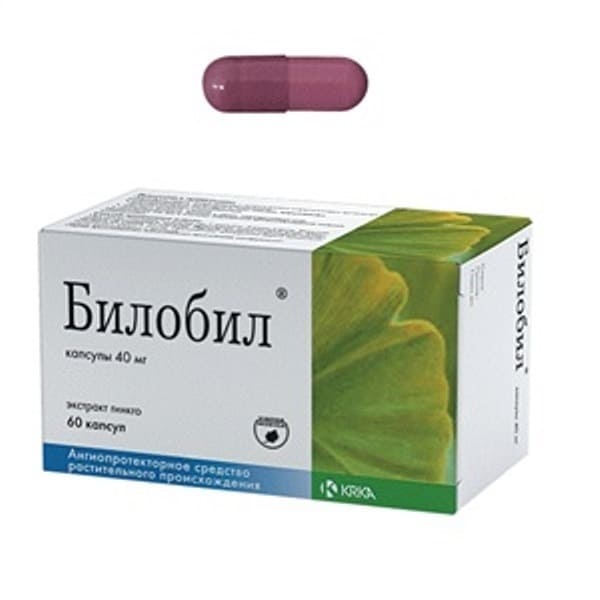
Biloba 40 mg 60 capsules


Dobrokam 250 mg 30 tablets

Mexicor 100 mg 20 capsules


Сonvalis 300 mg 50 capsules
Champix 1 mg 112 tablets

Manufacturer: Pfizer
Country of origin: Germany
General description: The drug for the treatment of nicotine dependence

Pharmacological action
The drug for the treatment of nicotine addiction. Varenicline with high affinity and selectivity binds to α4β2 n-cholinoreceptors of the brain, for which it is both a partial agonist (but to a lesser extent than nicotine) and an antagonist in the presence of nicotine.
Electrophysiological in vitro studies and neurobiochemical in vivo studies have shown that varenicline binds to and stimulates α4β2 n-cholinergic receptors, but to a much lesser extent than nicotine. Nicotine competitively binds to the same receptor site to which varenicline has a higher affinity. Thus, varenicline effectively blocks the ability of nicotine to stimulate α4β2 n-cholinergic receptors and activate the mesolimbic dopamine system, the neuronal mechanism that underlies the mechanisms of the formation of nicotine addiction (getting pleasure from smoking).
Varenicline is highly selective and binds more to the α4β2 receptor subtype than to other nicotinic receptor subtypes (α3β4, α7, α1βγδ) or other receptors and transport proteins. The efficacy of varenicline as a means for treating nicotine dependence is due to its partial agonism with respect to α4β2 n-cholinergic receptors, binding to which reduces craving for smoking and facilitates the withdrawal of the syndrome, while also reducing the sense of pleasure from smoking (antagonism in the presence of nicotine).
When used in adult patients varenicline showed a decrease in cravings for smoking and manifestations of withdrawal syndrome. An increase in the duration of taking varenicline to 24 weeks (an additional 12 weeks to the standard course) led to an increase in its effectiveness. Varenicline was also effective for quitting smoking with repeated use in patients who had previously stopped smoking with varenicline.
Varenicline has also been effective in choosing a patient's own date for stopping smoking (a "flexible" course of admission).
Varenicline was effective for quitting smoking in patients with COPD, incl. and long-term follow-up (52 weeks from the start of treatment), in cardiac patients with acute and chronic cardiovascular diseases (including those hospitalized in a hospital with acute coronary syndrome-unstable angina and myocardial infarction with elevation and without ST-segment elevation), both for complete cessation of smoking, and to reduce the number of cigarettes smoked. The efficacy and safety of varenicline for quitting smoking in patients with psychiatric illnesses in history has been demonstrated.
Indications
- as a means to quit smoking in adults aged 18 years and older without age restriction.
 .


 .


 400 mg 10 tablets6.jpg "Panzef (cefixime) 400 mg 10 tablets")