


Sildenafil 100 mg 20 tablets


Tamiflu 75 mg 10 capsules

Prednisolone 5mg 100 tablets

Cerebrolysin 5 ml 5 vials

Hypoxen 250 mg 30 capsules

Ventolin nebula 20 ampoules


Champix 1 mg 112 tablets

Ingavirin 90 mg 10 capsues


Ovestin 2 mg 30 tablets

Ovestin Vaginal cream 15g


Macmiror 200 mg 20 tablets

- Antibacterial medication
- Antifungal medication
- Antiviral Medication
- Cardiovascular medication
- different medication
- Hormonal medication
- Immunosuppressants and immunomodulating medications
- Nervous system
- Pain relievers and anti-inflammatory
- Respiratory system
- Treatment of diseases of the liver and gastrointestinal tract
- Treatment of sensory organs, eyesight and hearing
- Urogenital system


Piracetam 800 mg 30 tablets

De-Nol 120mg 112 tablets

De-Nol 120mg 56 tablets

De-Nol 120mg 32 tablets

finasteride 5mg 30 tablets

Itrazole 100 mg 42 capsules

furasol 15 sachets of 100 mg

Triacort OINTMENT 0.1% 10G


Urseptia 200 mg 20 capsules


Minolexin 100 mg 20 capsules

Minolexin 50 mg 20 capsules


Immard 200 mg 30 tablets

Adenuric 120 mg 28 tablets


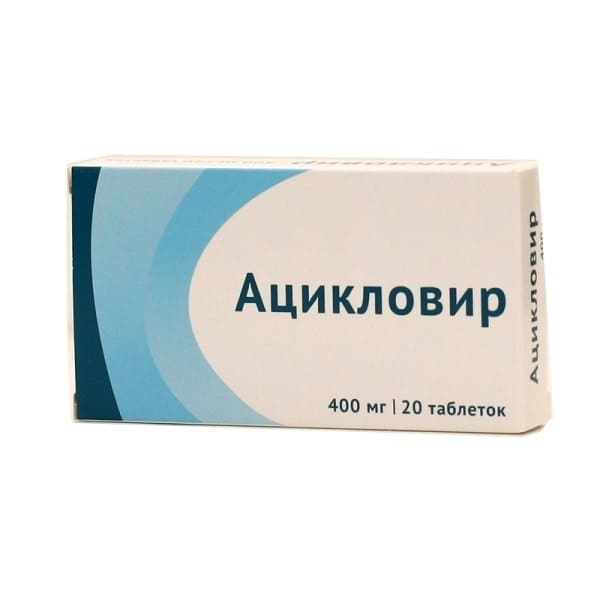


Neurontin 300 mg 50 capsules

Cerebrolysin 10 ml 5 vials


Actovegin 5 ml 5 vials

Mexidol 2 ml 10 vials

Persen 20 tablets

Cavinton 5 mg 50 tablets

Pantogam 500mg 50 tablets

Magnelis B6 90 tablets

Afobazol 10 mg 60 tablets

Donormil 30 tablets


Vestibo 16 mg 30 tablets


Melaxen 3 mg 12 tablets

Tidomet forte 100 tablets

Stugeron 25mg 50 tablets


Mexidol 125 mg 50 tablets
Teraligen 5 mg 25 tablets

Ceraxon 500 mg/4 ml 5 vials

Cavinton 5 ml 10 vials

Novo-passit 10 tablets

Zonegran 25 mg 14 tablets
Atorvastatin 40 mg 30 tablets

Manufacturer: various options
Country of origin: Russia
General description: lipid-lowering drugs
Product: pack of 30 tablets

Pharmacological action
A hypolipidemic agent from the group of statins. By the principle of competitive antagonism, the statin molecule binds to that part of the coenzyme A receptor where the HMG-CoA reductase is attached. Another part of the statin molecule inhibits the conversion of hydroxymethylglutarate to mevalonate, an intermediate in the synthesis of the cholesterol molecule. Inhibition of the activity of HMG-CoA reductase results in a series of consecutive reactions that result in a decrease in intracellular cholesterol and a compensatory increase in LDL receptor activity and, accordingly, acceleration of LDL cholesterol catabolism (Xc).
The hypolipidemic effect of statins is associated with a decrease in the level of total cholesterol due to Xc-LDL. The decrease in LDL is dose-dependent and has a non-linear, but an exponential nature. The inhibitory effect of atorvastatin on HMG-CoA reductase is approximately 70% determined by the activity of its circulating metabolites.
Statins do not affect the activity of lipoprotein and hepatic lipases, they do not have a significant effect on the synthesis and catabolism of free fatty acids, so their effect on the level of TG is secondary and mediated through their main effects on lowering the level of LDL-C. The moderate decrease in TG levels in statin therapy appears to be due to the expression of the receptor (apo E) receptors on the surface of hepatocytes participating in the catabolism of the disease, which includes approximately 30% TG. Compared to other statins (with the exception of rosuvastatin), atorvastatin causes a more pronounced decrease in TG levels.
In addition to lipid-lowering effects, statins have a positive effect on endothelial dysfunction (preclinical signs of early atherosclerosis), on the vascular wall, atheroma state, improve the rheological properties of blood, and possess antioxidant, antiproliferative properties.
Atorvastatin reduces cholesterol in patients with homozygous familial hypercholesterolemia, which usually does not respond to lipid-lowering therapy.
Indications
Primary hypercholesterolemia (heterozygous familial and non-family hypercholesterolemia (type IIa according to Fredrickson classification), combined (mixed) hyperlipidemia (types IIa and IIb according to Fredrickson classification), disbetalipoproteinemia (type III according to Fredrickson classification) (as a supplement to the diet), family endogenous hypertriglyceridemia (type IV according to Fredrickson classification), resistant to diet, homozygous familial hypercholesterolemia with insufficient effectiveness of diet therapy and other non-pharmacological methods of lech
Primary prophylaxis of cardiovascular complications in patients without clinical signs of IHD, but having several risk factors for its development - age over 55, nicotine dependence, arterial hypertension, diabetes mellitus, low concentrations of HDL-C in the blood plasma, genetic predisposition, h. against the background of dyslipidemia.
Secondary prophylaxis of cardiovascular complications in patients with ischemic heart disease in order to reduce the total death rate, myocardial infarction, stroke, re-hospitalization for angina pectoris and the need for revascularization.
 .


 .
 400 mg 10 tablets6.jpg "Panzef (cefixime) 400 mg 10 tablets")